Reading Nerve Supplement Labels: What To Check First
Nerve health supplement labels in this category range from precisely disclosed to vague, and the difference is usually visible in under a minute if you know what to look for.
A five-point checklist that applies to any nerve-support product, not just one brand.
1. Are ingredient forms specified?
‘Vitamin B12’ alone tells you less than ‘Vitamin B12 (as Methylcobalamin)’. ‘Alpha Lipoic Acid’ alone tells you less than ‘R-Alpha Lipoic Acid’. See our pieces on R-ALA specifically and B-vitamin forms for why this distinction is worth ten seconds of label-reading.
2. Are amounts disclosed per serving?
Ideally a label states milligrams (or micrograms) per capsule for each ingredient. Many nerve-support products in this category do not publish this on their marketing pages, even when they name every ingredient. That is a real limitation, and it is worth knowing which category a product falls into before you buy, rather than after.
3. Does the marketing use disease-treatment language?
4. Is the manufacturing standard checkable?
Look for specific claims: made in the USA, FDA-registered facility, GMP certification. These are checkable manufacturing-oversight claims, distinct from FDA product approval, which dietary supplements do not receive. A label that is vague about manufacturing at all is worth noting.
5. Is the guarantee window realistic for the product?
Nutritional support for nerve comfort typically needs 8 to 12 weeks to show an effect. A guarantee shorter than that window may expire before you can fairly judge results. Compare the stated guarantee length against the product's own recommended usage timeline — if the guarantee is noticeably shorter than the recommended trial period, that mismatch is worth noticing.
Applying the checklist
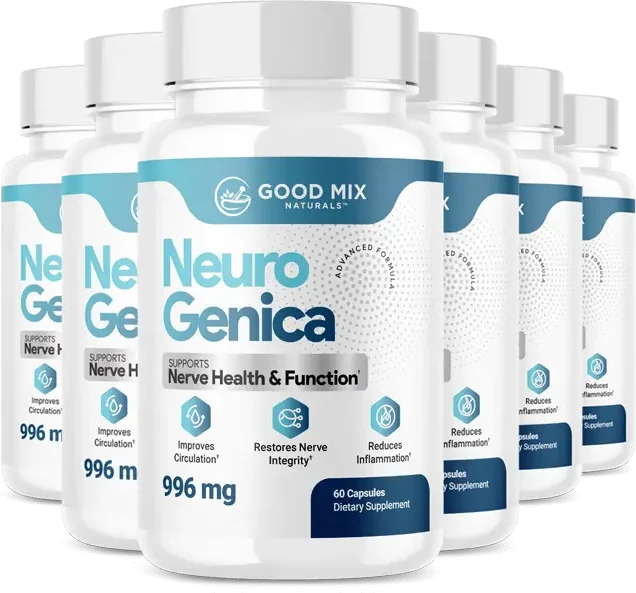
Run these five checks against any nerve-support product, including the one this site covers. NeuroGenica names specific active ingredient forms (check 1: passes), does not publish per-capsule amounts (check 2: does not pass), uses supportive rather than disease-treatment language on the pages we reviewed (check 3: passes), states specific manufacturing claims (check 4: passes), and carries a 180-day guarantee against an 8-to-12-week usage recommendation (check 5: passes comfortably).
That is how the checklist is meant to work — no product passes every check perfectly, and knowing exactly where a product is strong and where it is not is more useful than being told it is flawless. See our full 90-day review for the complete picture.