R-ALA Vs Standard ALA: Why The Active Form Matters
Alpha lipoic acid occurs as two mirror-image molecules, R-ALA and S-ALA, and only the R-form is the one your body produces naturally and the one most nerve-health research is based on.
Many cheaper supplements use a 50/50 racemic mixture of both forms, which means only half of what you are taking is the form the research actually studied.
What makes ALA left- and right-handed
Alpha lipoic acid is a chiral molecule, meaning it exists in two mirror-image forms, much like your left and right hands. These are called R-ALA and S-ALA. Chemically similar, biologically different: R-ALA is the form your body produces naturally as part of normal cellular energy metabolism, and it is the form most extensively studied for antioxidant activity relevant to nerve tissue.
Why most supplements do not use pure R-ALA
Producing pure R-ALA is more technically demanding and expensive than producing standard ‘racemic’ ALA, which is a roughly 50/50 mixture of R and S forms created through a simpler, cheaper manufacturing process. Because of that cost difference, a large share of ALA supplements on the market use the racemic mixture rather than the pure R-form, often without specifying which one is on the label.
Research on alpha lipoic acid and nerve function, indexed on PubMed, has generally used the R-form specifically or has found the R-form more bioactive than the S-form in laboratory studies.
What this means for a label in front of you
Does this mean racemic ALA does nothing?
Not necessarily — some research has used racemic ALA and still found benefits, and the S-form is not inert. But if a formula's marketing leans on ALA research to support its claims, and the label does not specify the R-form, there is a meaningful gap between what is being cited and what is actually in the bottle.
Applying this to NeuroGenica
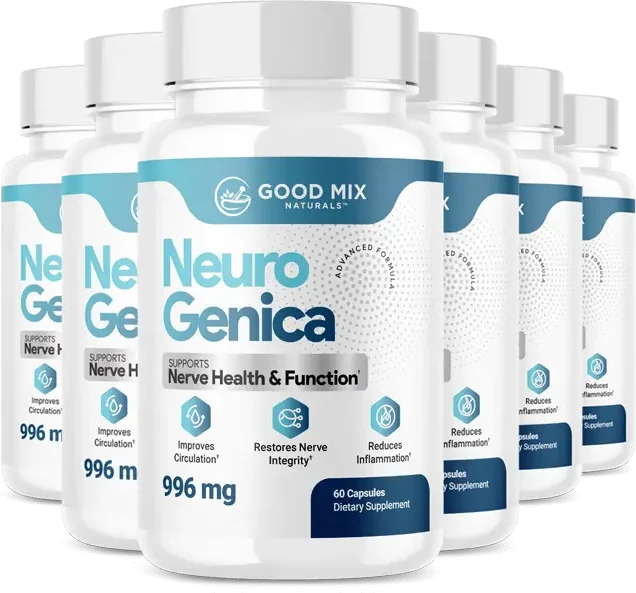
NeuroGenica specifically names R-Alpha Lipoic Acid on its label, rather than generic ALA. That is a meaningful and checkable distinction — it means the formula is using the form most closely tied to the antioxidant research this category of supplement usually cites, rather than a cheaper substitute sold under a similar-sounding name. As with the rest of the formula, the exact milligram amount is not published, which is a separate question covered in our piece on reading nerve supplement labels.